Ascendance Rolls Out ATEA Hybrid VTOL Prototype, Targets First Flight in Early 2027
The Toulouse-area developer says months of ground testing come first, followed by up to two years of flight trials before any move to production.
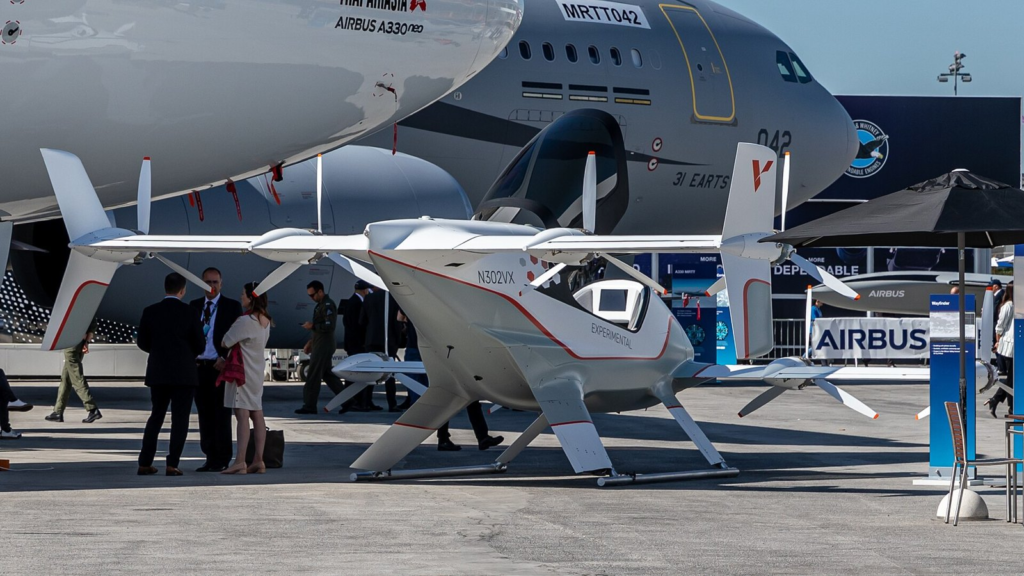
French startup Ascendance Flight Technologies presented the first prototype of its ATEA hybrid-electric vertical takeoff and landing aircraft on Nov. 19 at Muret aerodrome, the company’s base outside Toulouse, Agence France-Presse reported.
The aircraft uses two pairs of wings with a total of eight rotors built into them. It is designed to lift off vertically like a helicopter and then cruise on its wings like an airplane, while pairing a combustion engine with electric motors. Chief executive and co-founder Jean-Christophe Lambert called it “doubly hybrid” for that reason.
Ground tests before flight
The rollout does not mean the aircraft is about to fly. Lambert said the prototype will spend four to five months in ground testing of all its systems, followed by low-speed taxi runs. After the company obtains a permit to fly, it plans high-speed taxi tests and then a first flight, which he placed around the end of the first quarter of 2027.
Co-founder Clément Dinel, who leads propulsion and hybridization work, said the propulsion system has already been fully validated on test benches. The remaining task, he said, is to confirm that performance on the aircraft itself, where wind, vibration and maneuvering loads come into play.
Ascendance expects 18 to 24 months of flight testing after the first flight before any potential industrialization. The ATEA is not certified, and the company has not announced a date for commercial service.
Missions and backers
The company says the ATEA will seat four to six people and have a maximum range of 900 kilometers (about 560 miles). It is aimed at work usually done by helicopters, such as medical transport, passenger flights and logistics, in both civil and military roles. Ascendance argues its low noise could be an advantage for defense customers.
Ascendance reports eight years of development, 60 million euros invested and 140 patents filed. It says it holds more than 630 letters of intent for the aircraft, and that its hybrid propulsion system has led to partnerships with Airbus, ATR and defense shipbuilder Naval Group. The company said it is seeking further European investment to continue the program.
The ATEA’s first-flight target has moved several times in recent years, so the early-2027 goal depends on how ground testing goes.
Sources
- Techniques de l'Ingénieur / AFP · Nov 19, 2026
- La Gazette France · Nov 19, 2026